Programme Vlario

Sustainable water management in buildings

(in Dutch)

Explanation from the COOCK Waterwijzer project

Because of the increasing pressure on water resources in Flanders and the need for climate adaptation, alternative water sources are becoming increasingly important in the built environment.

The Waterwijzer project develops practical tools that allow professionals to look beyond familiar rainwater systems and make informed choices when implementing innovative water-saving measures, such as greywater systems and water-saving sanitary fixtures.

During this study day, we will share some results with you, such as the organisation and approach to collective facilities, by means of a practical example. We then examine the main bottlenecks from the 16 completed projects and explain how we will address them further. The project also develops user-friendly decision support software for choosing between rainwater, greywater, or a combination of these. One part of this is the payback period of greywater systems, and we will explain how this is approached.

We also lift the veil a little on the related new COOCK project 'DROOG'.

This study day is organized by the partners of the COOCK Waterwijzer project with the support of VLAIO (Flanders Innovation & Entrepreneurship).
10:15 - 10:30

Reception and registration

10:30 - 10:40

Introduction

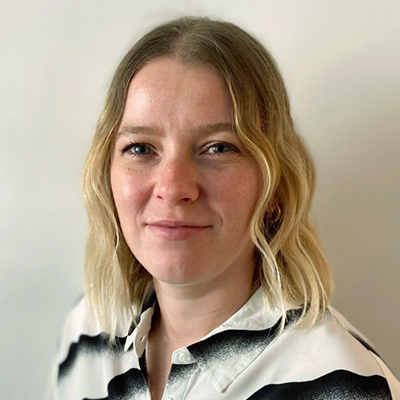
Saskia Van Becelaere

Embuild Flanders

10:40 - 11:00

Organisation and the approach to collective facilities

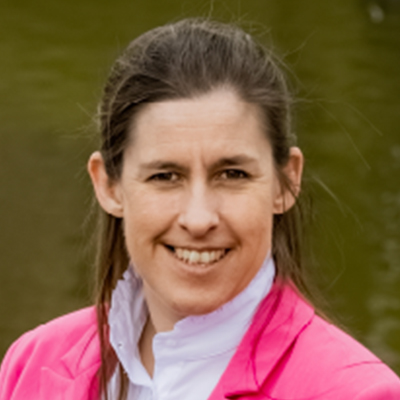
Veerle Depuydt

VITO Water Knowledge Center

Multiple parties are often involved in collective installations for the collection, treatment, and storage of rainwater or greywater. This requires clear agreements between the various parties regarding financing, responsibilities, and management. However, the greatest obstacles are not purely technical but also fall within the legal, organisational, and contractual framework. We explain what you need to take into account.

11:00 - 11:20

A practical example of a collective rainwater management system: the Agnetenpark approach

Ian Montauban

De Watergroep

At the Agnetenpark in the town of Peer, the developer opted for a collective domestic water supply based on rainwater collection. Household water is supplied for a charge by the drinking water company. The developer is responsible for the collection, pre-filtration, and storage of rainwater. The drinking water company is responsible for pumping, filtering, pressurising the rainwater, and individual metering per branch. How was this project approached, and what are the pitfalls you need to be aware of?

11:20 - 11:40

Legal bottlenecks

Wendy Francken

VLARIO

We identified various bottlenecks for the 16 cases followed up in the Waterwijzer project. We provide an overview of the various bottlenecks, as well as how we will deal with them.

11:40 - 12:00

The payback periods of greywater systems

Liesbeth Vos

Buildwise

Various tools are being developed within the Waterwijzer project. We investigated, among other things, the payback period of greywater systems, taking into account the return on investment and the maintenance costs of the systems. How much water consumption is needed for the system to pay for itself within a realistic timeframe?

12:00 - 12:20

Introduction to the new COOCK project DROOG

Silvia De Nolf

NAV

The newly-launched DROOG project researches and monitors water-permeable pavements and infiltration facilities. After all, three years after the rainwater ordinance was updated, quite a few questions remain. What is the best way to install infiltration systems and permeable pavements? What should you pay attention to during maintenance? Which technical solutions give the best results? This project aims to answer these questions. Get to know our new project!

12:20

Q&A session followed by lunch at the trade fair.


Participate

  • Free of charge
  • No show: € 50
  • Prices are exclusive of VAT
  • Registration is required

from August 2026